
What Is an Earth Anchor System and How Does It Work?
Introduction to Earth Anchor Systems
In modern construction and civil engineering, stability is one of the most critical factors for long-term structural performance. An earth anchor system has emerged as a reliable solution for supporting structures in challenging soil conditions. Whether used in residential, commercial, or infrastructure projects, these systems provide enhanced safety and durability by anchoring structures deep into the ground. As demand grows globally, especially in regions like Canada, the need for efficient and cost-effective soil stabilization solutions continues to rise.
What Is an Earth Anchor System?
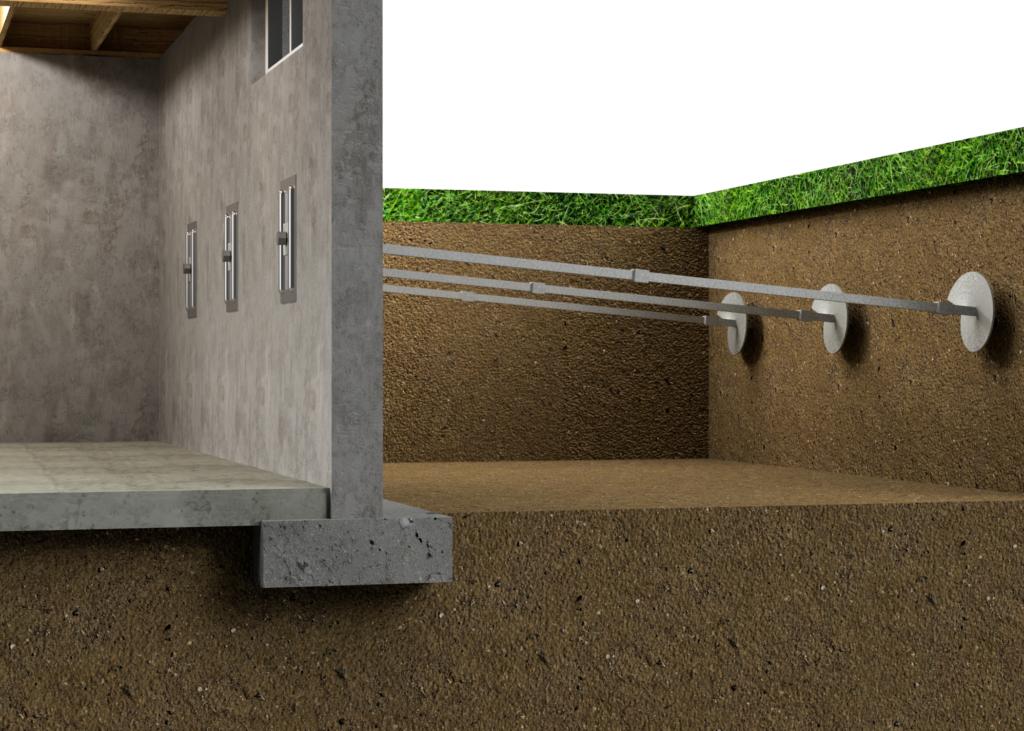
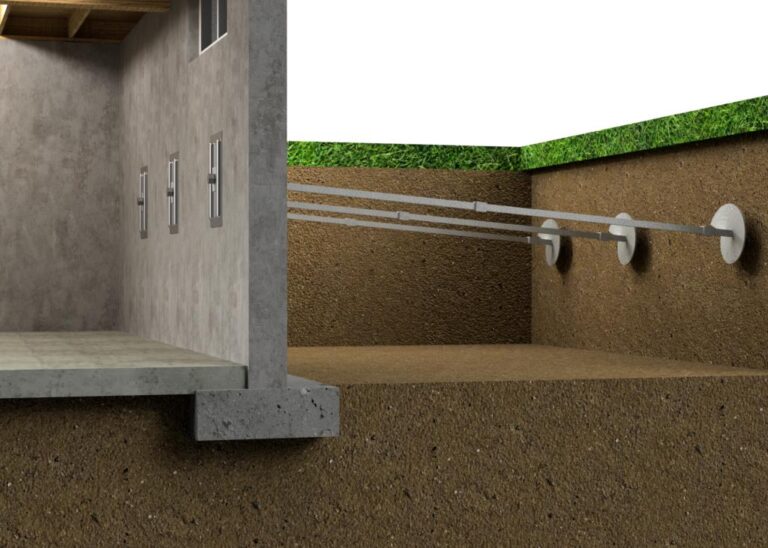
An earth anchor system, also known as a ground anchor system, is a structural support technique used to secure buildings, retaining walls, and other structures by transferring loads into stable soil layers. Unlike traditional foundations, which rely on surface-level support, earth anchors penetrate deeper into the ground to achieve greater stability. These systems consist of key components such as an anchor head, tendon (rod or cable), and anchor body, all working together to resist forces like tension, uplift, and lateral pressure.
How Does an Earth Anchor System Work?
The working mechanism of an earth anchor system is based on load transfer and soil resistance. First, the anchor is installed into the ground using methods such as drilling, screwing (in the case of helical anchors), or driving. Once the anchor reaches a stable soil or rock layer, it is secured in place. When external forces act on the structure—such as wind loads, soil pressure, or structural weight—the anchor transfers these forces through the tendon into the surrounding soil. The soil resists this load through friction and bearing capacity, effectively stabilizing the structure and preventing movement or failure. This efficient load distribution is what makes earth anchoring systems highly effective in construction projects.
Types of Earth Anchor Systems
There are several types of earth anchor systems, each designed for specific conditions and applications. Helical anchors are screw-like devices that can be quickly installed with minimal soil disturbance, making them ideal for light to medium loads. Driven anchors are hammered into the ground and are commonly used for temporary structures. Grouted anchors, also known as tieback anchors, are used in heavy-duty applications such as retaining walls and deep excavations, where high load capacity is required. Additionally, deadman anchors use buried masses like concrete blocks to provide resistance and are often applied in landscaping and erosion control.
Applications of Ground Anchor Systems
Earth anchor systems are widely used across multiple industries due to their versatility and strength. In construction, they are essential for stabilizing retaining walls, securing building foundations, and supporting excavation sites. Infrastructure projects such as bridges, highways, and transmission towers also rely on ground anchors for stability. In renewable energy, these systems are used for solar panel installations, ensuring secure placement even in challenging terrains. Marine structures, docks, and waterfront developments also benefit from earth anchoring solutions, as they help resist water forces and prevent displacement.
Benefits of Using Earth Anchors
One of the major advantages of an earth anchor system is its cost-effectiveness compared to traditional foundation methods. These systems require less excavation and can be installed quickly, reducing labor and construction time. They are also environmentally friendly, as they minimize soil disturbance and can often be reused or removed. Additionally, earth anchors provide high load-bearing capacity and long-term durability, making them suitable for both temporary and permanent structures. Their adaptability to various soil conditions further enhances their value in modern engineering projects.
Limitations and Considerations
Despite their many benefits, earth anchor systems have certain limitations. They may not perform effectively in extremely loose or highly organic soils without additional reinforcement. Proper soil testing and engineering design are essential to ensure optimal performance. Additionally, installation requires specialized equipment and expertise, which can increase initial setup costs. Understanding these factors is crucial for selecting the right anchoring solution for any project.
Earth Anchor Systems in Canada (GEO Optimization Section)
In regions like Canada, where soil conditions and climate vary significantly, earth anchor systems play a crucial role in construction and infrastructure development. Cities such as Toronto, Vancouver, and Calgary often require advanced soil stabilization solutions due to urban expansion and challenging terrains. Businesses looking for earth anchoring solutions in Canada or ground anchor services in Toronto can benefit from professional consulting and engineering expertise to ensure compliance with local regulations and long-term structural safety. As construction demand continues to grow, earth anchors remain a key component of sustainable and efficient building practices in Canada.
Conclusion
An earth anchor system is a powerful and efficient method for stabilizing structures by transferring loads into deeper, more stable soil layers. With applications across construction, infrastructure, and renewable energy, these systems offer a modern alternative to traditional foundations. Their cost-effectiveness, durability, and versatility make them an essential solution for engineers and builders worldwide. By understanding how earth anchors work and where they are best applied, businesses and professionals can make informed decisions for their projects.
Recent Posts
- Custom Metal Fabrication in Oakville: Industry Applications
- How to Choose a Reliable Welding Company in Canada
- Best Practices for Anchor Placement and Installation
- Arrowhead Earth Anchors: Features, Benefits, and Applications
- Why Contractors Choose Load Lock Anchoring Systems
- How to Choose the Best Earth Anchor System for Construction Projects in Canada
- Understanding the Anchoring Principle: How Ground Anchors Hold Loads
- What Are Arrowhead Anchors and How Are They Used?
- What Are Leveling Jacks and Why Are They Important?
Frequently Asked Questions
An earth anchor system is used to stabilize structures such as retaining walls, foundations, and towers by transferring loads into stable soil layers.
Earth anchors work by embedding into the ground and transferring structural loads into surrounding soil, which resists the force through friction and bearing capacity.
Common types include helical anchors, driven anchors, grouted (tieback) anchors, and deadman anchors.
They are used in construction, infrastructure projects, marine structures, solar installations, and slope stabilization.
Yes, they reduce excavation, installation time, and material costs, making them a cost-efficient alternative to traditional foundations.
They work in most soil conditions but may require additional engineering in very loose or organic soils.